Even if ARK is an has always been an amateur radio club, we haven’t only dealt with point to point contact over RF throughout our history. In the past, we have been involved with occasional radio broadcasting as well, in particular for special events, mostly related to the UKA festival. Initially a collaboration between different committees within the club, the initiative would over time fork into other groups and would indirectly kickstart the student (broadcast) radio much later on, and while they have taken over the “UKEsenderen” (lit. “The WEEK Transmitter”) production these days we in ARK still remember how it all got started.
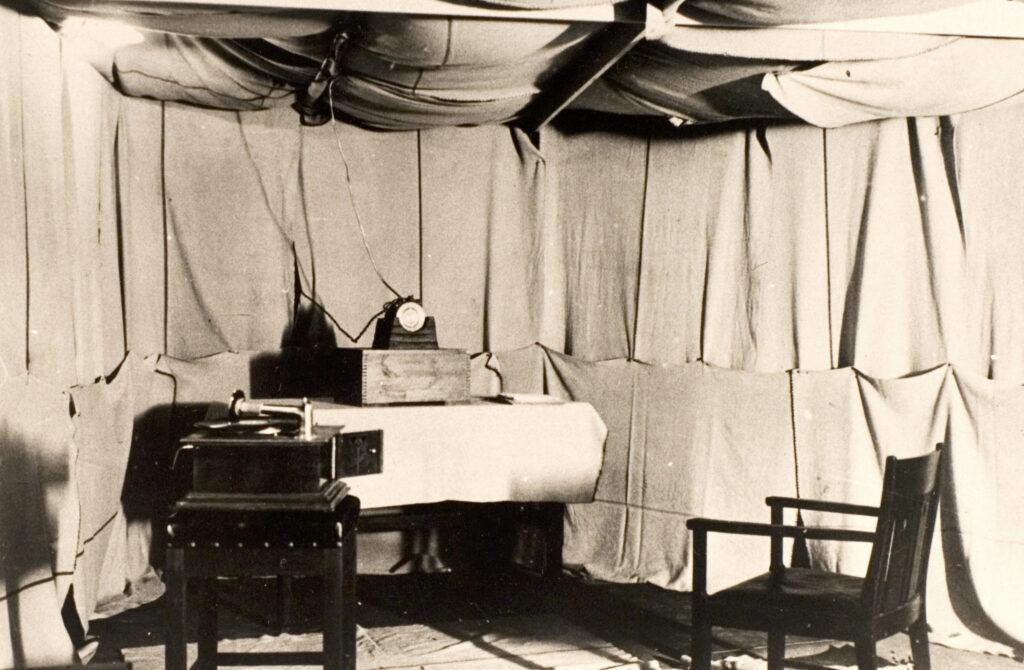
Norway was fairly late in adapting a legislation for radio usage, and up until the early 1920s even owning a radio receiver without a permit was illegal under the old telegraphy laws. Some general broadcasting tests were performed by various private actors in 1923 and onwards, the same year ARK was founded, and in the winter of 1926 even us at ARK did our first try at broadcasting in conjunction with a radio-exhibit we were arranging at the time. This was a very temporary transmitter, built with bits and pieces that were donated or otherwise fit for purpose (included things like strategically bent cutlery). Output power was around 100W, with the intention of covering Trondheim, but we did receive reports of it being heard across the north-sea for instance.
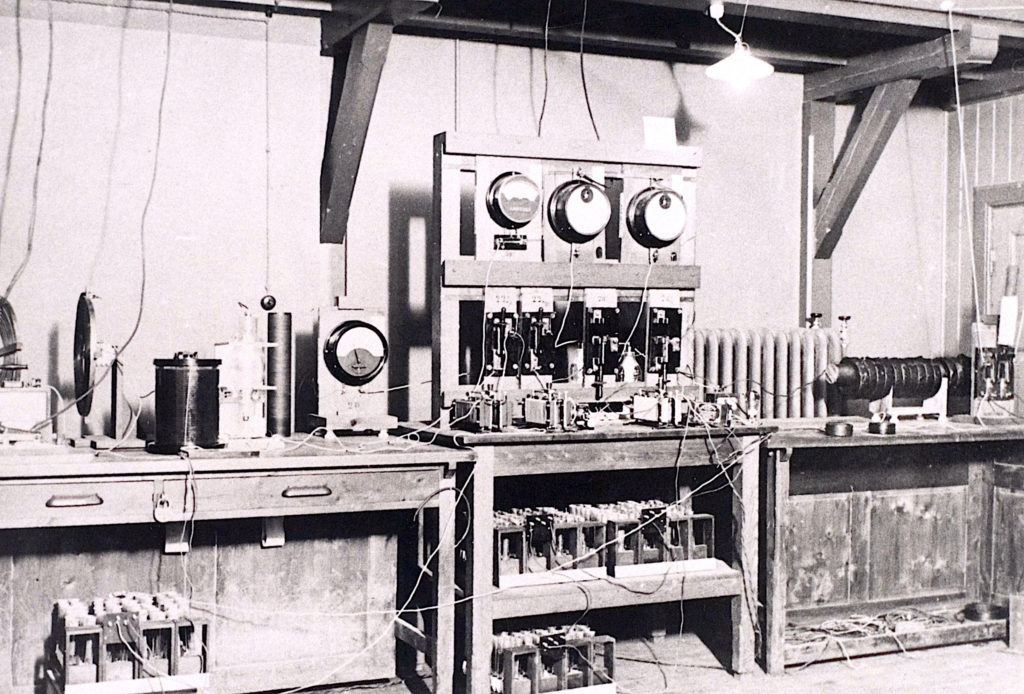
One of the initiatives with the “ARK provisory broadcaster” as it was called, was to try to kickstart the interest for radio among the citizens of Trondheim, and to engage for someone to start a more permanent local broadcaster as had happened already in Bergen and Oslo. This eventually happened, with Trøndelag Kringkaster, another private broadcaster. We were also planning to make a new exhibition in 1928, which would likely have had a new temporary broadcast station, but those plans were delayed to 1930, and then eventually cancelled entirely.
In the later half of the 1920s, parts of the radio-club started to collaborate with the Student Society of Trondhjem. This collaboration was at first mostly related to installing amplified audio in the old meeting hall, being before the completion of the dedicated Student Society building we all know today. We don’t know exactly when this collaboration started, but it was well established before the new building was done in the fall of 1929. According to some sources, the interest in audio and speakers were in part fueled by some of the lecturers at the NTH technical college (the precursor of NTNU), and one of the more active members of ARK at this time would later make it big producing commercial speakers and radio-receivers.
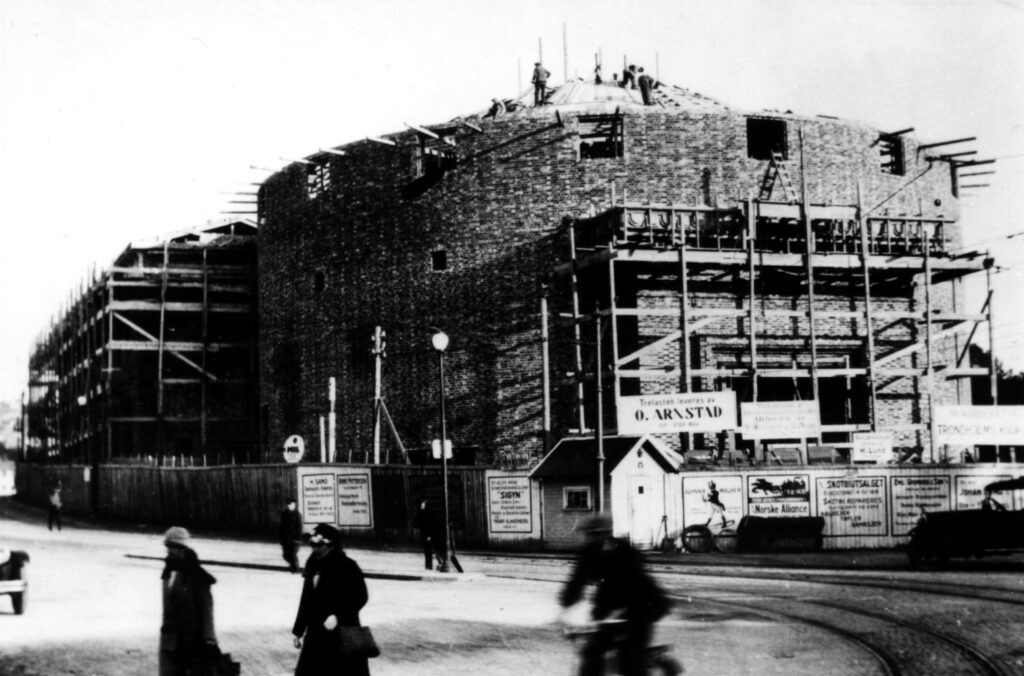
Photo: foto.samfundet.no
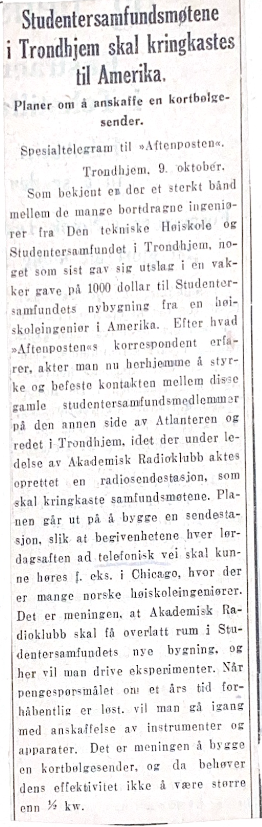
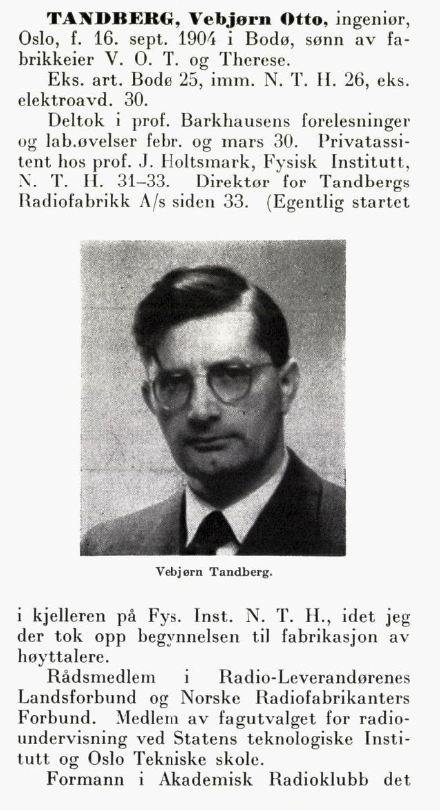
That one member was no less than Vebjørn Tandberg, and by coincidence he was the head of the amateur radio club the year the Student Society building was complete in 1929. At this time, some paperwork was being filed proposing a permanent broadcast station at this building, to be run and maintained by ARK. The first proposal was for 500W, later downscaled to 100W, but before any permit was given ARK had already secured the loft of the new building.
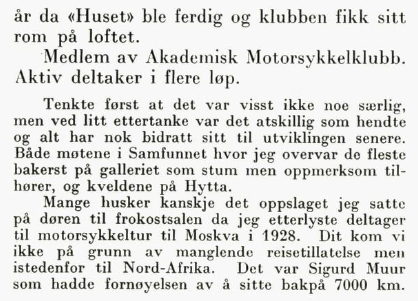
Eventually, after almost a decade of private broadcasting, and years of political back and forth, in the summer of 1933 the authorities in Norway decided to end private broadcasting like many of the other countries in Europe had already done. The biggest private broadcast companies were combined into one state-owned monopoly, Norges Rikskringkasting (NRK), and this finally put a nail in the coffin to the plans of general broadcasting from the loft of the Student Society. However, the very same year ARK was able to secure a temporary exception to grant broadcasting rights during the UKA student festival that fall. These broadcast sessions would become the first iteration of the “UKEsender”. Our own broadcast transmitter itself was however still not ready, so we were able to borrow transmitting time on the transmitter of what used to be Trøndelag Kringkaster.
About the original “UKEsender” of 1933, this was mostly an in-house ARK production. The more RF-technical members maintained the link to the transmitter at Tyholt, while the audio-committee (FK, still a part of ARK at this time) were maintaining the audio-gear. The programming and content of what was being broadcast was more of an afterthought in the start, still done by members of ARK.
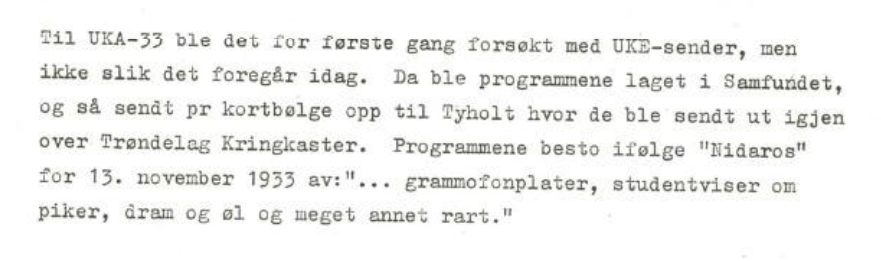
Not much has changed.
In 1934 there was a big rotation of old members in the club, many of the old experienced members being replaced with fresh students. This lost us a lot of radio competence, and in the years that followed the radio-technical sides of ARK declined a bit. The audio-committee got more focus within the club, and the committee eventually split out and fully incorporated under the Student Society organization shortly after. It would, however, take until after the second world war until we properly revived the UKEsender.
As of writing, the student festival of UKA is currently in full motion. This year it will span from October 2nd – 26th, so stay tuned for more posts related to ARK and the festival!

0 Comments
1 Pingback